Logistics Tip of the Week: How to Prepare a Car for International Transport
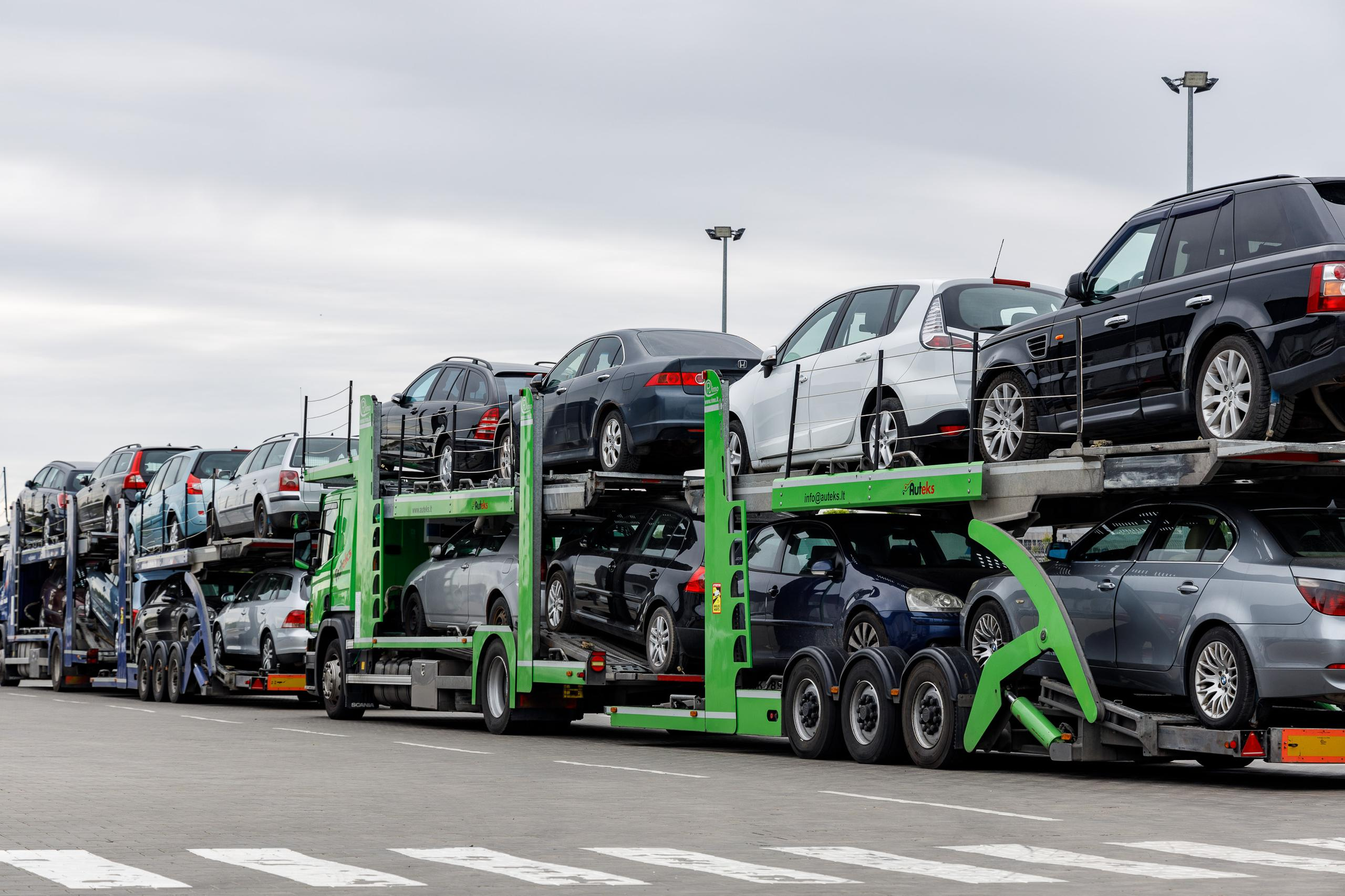
Vehicle transport may look simple: book the carrier, load the car and send it. In reality, small details often decide whether the shipment goes smoothly or turns into delays, extra costs and unnecessary stress.
The first and most important step is checking the documents and the VIN. The VIN must match everywhere: registration documents, invoice or bill of sale, export papers, customs declaration and all other documents related to the vehicle. It should also be checked physically on the car: on the door plate or sticker, under the bonnet, on the chassis or in another factory location, depending on the model. If even one letter or number does not match, the vehicle may not be cleared at the border, port or customs terminal. For customs authorities, the VIN is the main vehicle identifier, so this check should be done before booking the shipment, not at the last moment.
The next step is choosing the right method. If the vehicle is operational, starts, drives and brakes safely, Ro-Ro can be a practical option for sea transport. The car is driven onto the vessel and driven off after arrival. For high-value, classic, damaged, non-running or unusual vehicles, container shipping is often the safer solution. It gives extra protection and is also useful when spare parts or accessories need to be shipped together with the car.
Before handover, the vehicle should be cleaned inside and outside. This is not about presentation - it is about proper condition control. A clean body makes it easier to record scratches, dents, chips, glass damage, wheels and bumpers. Take photos from every angle, including the interior, mileage, roof, front, rear and existing damage. Clear photos protect both the customer and the transport provider.
The car should not contain personal belongings, loose items, fuel cans, spare batteries, tools or household goods. Many Ro-Ro operators do not allow such items inside the vehicle for safety and liability reasons. If tyres, spare parts or accessories need to be shipped, this should be agreed in advance. In many cases, container transport will be the better option.
Technical condition matters too. The vehicle should not leak fuel, oil, coolant or brake fluid. For standard Ro-Ro transport, it normally needs to start, move forward and reverse, and brake safely. If the car is not running, it can still be transported, but the loading method and route must be planned differently.
LOADSTAR handles international vehicle transport by road transporter, sea, Ro-Ro and container. We help select the route, organise the shipment, check the logic of transport documents, support customs clearance and arrange insurance when required.