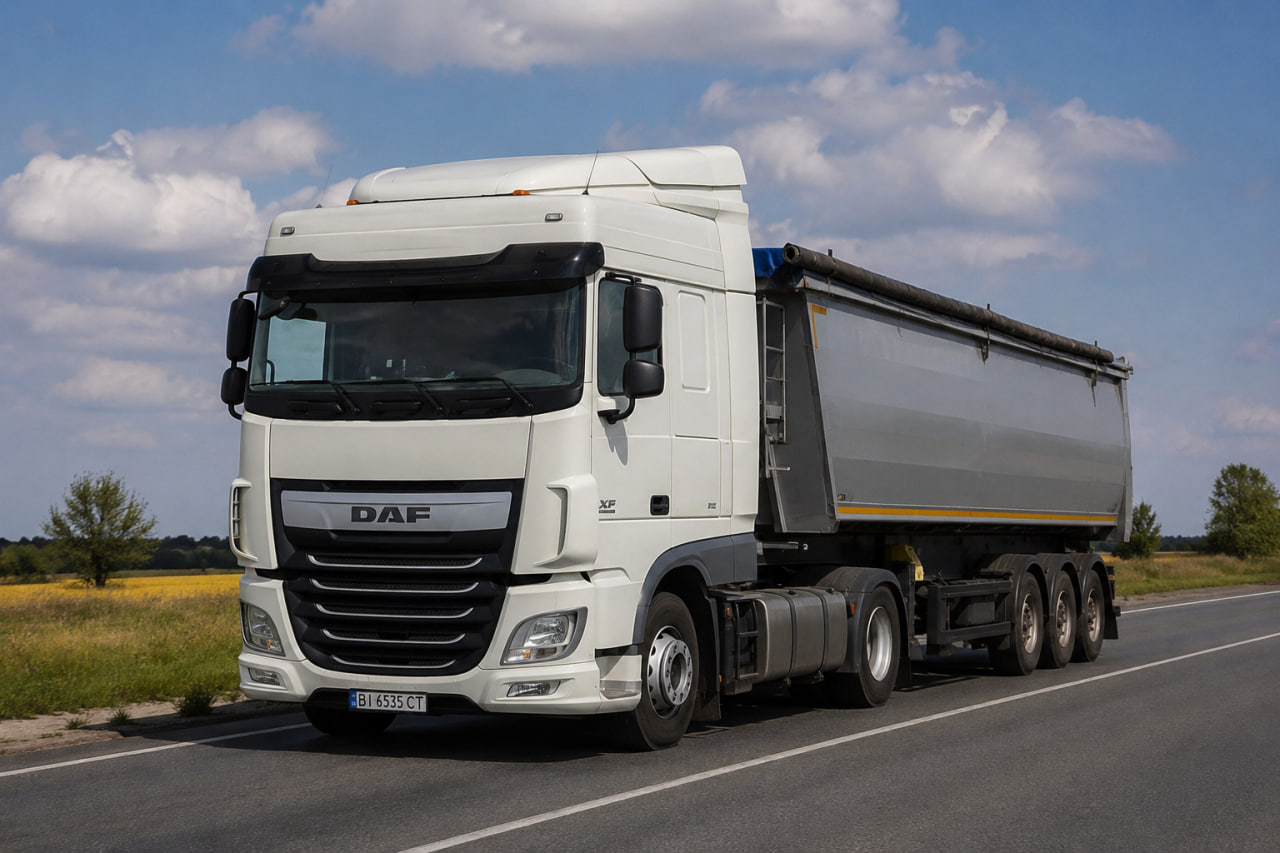
Grain transportation may look simple from the outside, but in practice it is one of the cargo types where preparation matters a lot. Grain is sensitive to moisture, odours, contamination, pests, residues from previous cargoes and documentation mistakes. A dirty or wet trailer can delay loading, damage the cargo or create problems during border and terminal checks.
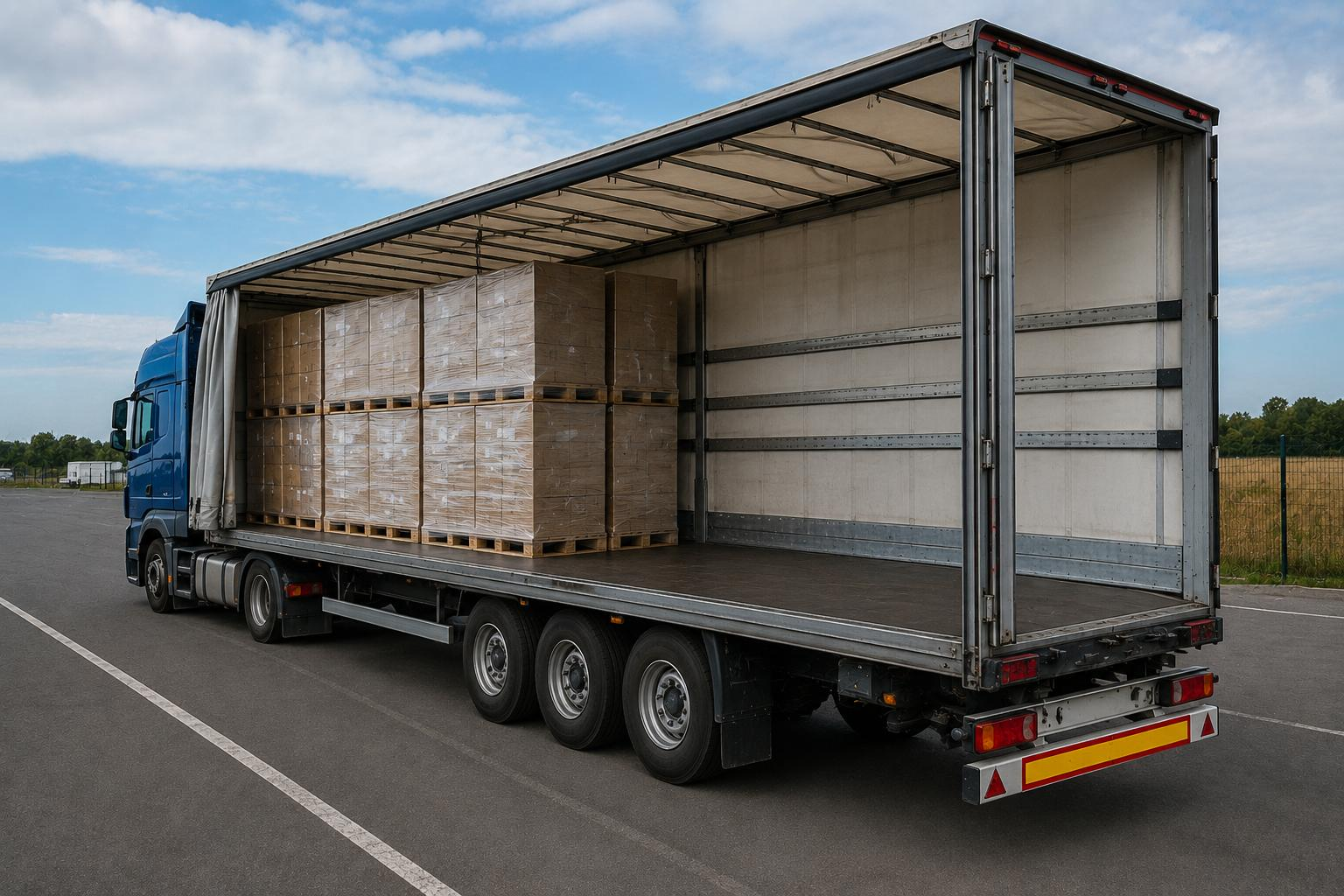
Before loading, the trailer or container should be clean, dry, free from foreign smell and without residues of chemicals, fertilizers, soil, waste or previous cargo. For food and feed-related logistics, cleanliness is not a formality. Under EU food and feed hygiene rules, transport equipment and containers must be kept clean and, where necessary, properly disinfected. GMP+ transport guidance also focuses on cleaning procedures, previous cargo checks and safe transport practices.
Documentation is just as important. For international grain shipments, a phytosanitary certificate is often required to confirm that the cargo meets the plant-health requirements of the importing country. Depending on the destination and buyer, exporters may also need a certificate of origin, quality certificate, laboratory analysis, moisture data, grain class confirmation, impurity level documentation and customs documents. Ukraine has also been moving toward electronic phytosanitary certification through the ePhyto system for exports to the EU.
For sea shipments, grain has its own safety rules. The IMO International Grain Code applies to ships carrying grain in bulk and sets international standards for safe loading and carriage. Moisture control, hold cleanliness and correct loading procedures are critical, because grain can be damaged by condensation, heating or improper storage conditions during transit.
Practical lifehack: before sending a truck for loading, always check three things - a clean and dry trailer, the correct documents, and protection from moisture. The tarpaulin must be intact, seals must be reliable, and the route should avoid unnecessary waiting in rain or open storage areas.
Before loading, the trailer or container should be clean, dry, free from foreign smell and without residues of chemicals, fertilizers, soil, waste or previous cargo. For food and feed-related logistics, cleanliness is not a formality. Under EU food and feed hygiene rules, transport equipment and containers must be kept clean and, where necessary, properly disinfected. GMP+ transport guidance also focuses on cleaning procedures, previous cargo checks and safe transport practices.
Documentation is just as important. For international grain shipments, a phytosanitary certificate is often required to confirm that the cargo meets the plant-health requirements of the importing country. Depending on the destination and buyer, exporters may also need a certificate of origin, quality certificate, laboratory analysis, moisture data, grain class confirmation, impurity level documentation and customs documents. Ukraine has also been moving toward electronic phytosanitary certification through the ePhyto system for exports to the EU.
For sea shipments, grain has its own safety rules. The IMO International Grain Code applies to ships carrying grain in bulk and sets international standards for safe loading and carriage. Moisture control, hold cleanliness and correct loading procedures are critical, because grain can be damaged by condensation, heating or improper storage conditions during transit.
Practical lifehack: before sending a truck for loading, always check three things - a clean and dry trailer, the correct documents, and protection from moisture. The tarpaulin must be intact, seals must be reliable, and the route should avoid unnecessary waiting in rain or open storage areas.