A single container can switch between several transport modes during one shipment.
This is called multimodal logistics.
Modern international freight rarely moves via a single truck from origin to destination. In reality, one container may travel through an entire chain:
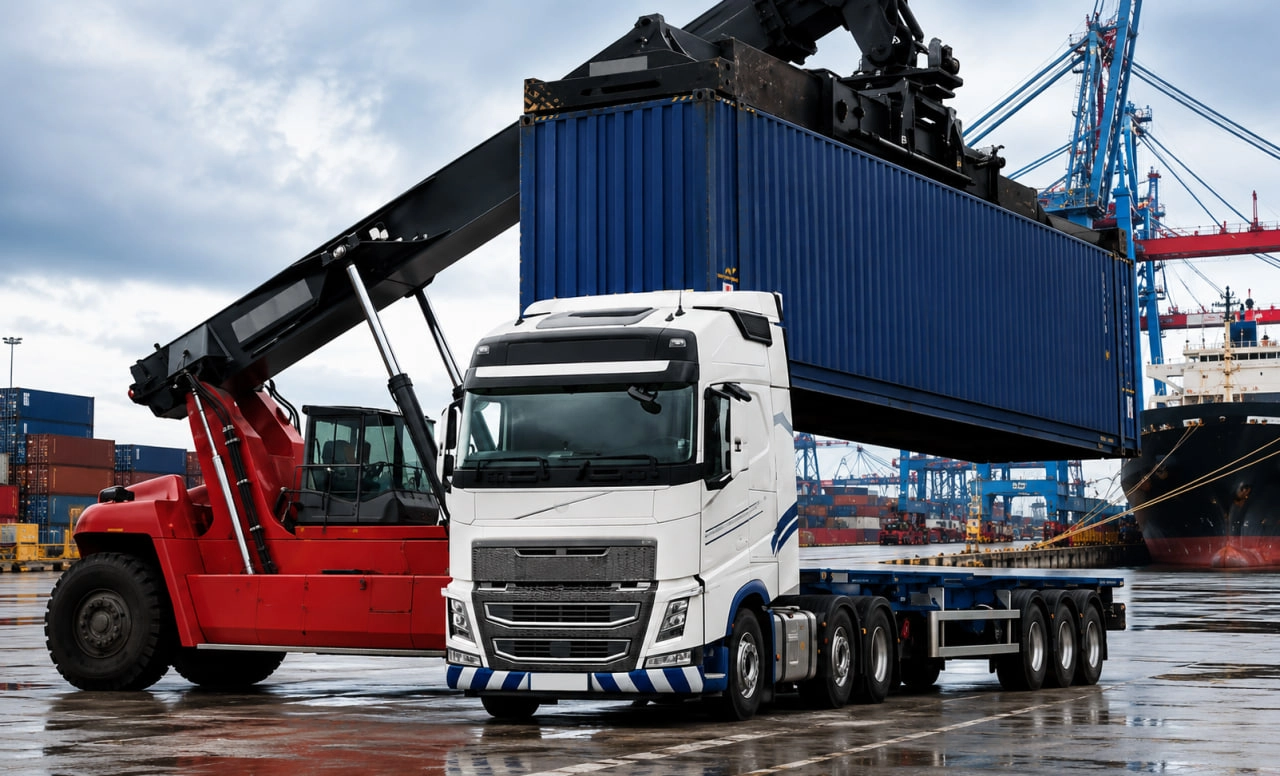
- truck → port
- vessel → another continent
- rail → inland terminal
- truck again → final delivery
All within one logistics operation.
🌍 Why multimodal logistics matters
No single transport mode is ideal for every task:
- ocean freight is cost-effective for large volumes
- rail offers stability over long inland routes
- trucking provides flexibility for last-mile delivery
- air freight is fastest for urgent cargo
That’s why modern logistics combines them to balance:
- cost
- speed
- reliability
- route flexibility
📦 Real-world example
Cargo from China may:
- arrive in Europe by sea
- continue inland by rail
- and finish by truck delivery
For the client, it feels like one shipment.
Behind the scenes, it requires coordination between ports, terminals, carriers, and customs systems.
🧠 Why it matters today
Multimodal logistics has become increasingly important due to:
- port congestion
- geopolitical instability
- unstable shipping corridors
- demand for flexible supply chains
At LOADSTAR, we build multimodal transport solutions that keep cargo moving efficiently even in complex global conditions.
This is called multimodal logistics.
Modern international freight rarely moves via a single truck from origin to destination. In reality, one container may travel through an entire chain:
- truck → port
- vessel → another continent
- rail → inland terminal
- truck again → final delivery
All within one logistics operation.
🌍 Why multimodal logistics matters
No single transport mode is ideal for every task:
- ocean freight is cost-effective for large volumes
- rail offers stability over long inland routes
- trucking provides flexibility for last-mile delivery
- air freight is fastest for urgent cargo
That’s why modern logistics combines them to balance:
- cost
- speed
- reliability
- route flexibility
📦 Real-world example
Cargo from China may:
- arrive in Europe by sea
- continue inland by rail
- and finish by truck delivery
For the client, it feels like one shipment.
Behind the scenes, it requires coordination between ports, terminals, carriers, and customs systems.
🧠 Why it matters today
Multimodal logistics has become increasingly important due to:
- port congestion
- geopolitical instability
- unstable shipping corridors
- demand for flexible supply chains
At LOADSTAR, we build multimodal transport solutions that keep cargo moving efficiently even in complex global conditions.