Logistics News
Features of Customs Clearance in International Transportation: A Step-by-Step Guide to Successfully Navigating Customs Procedures and Avoiding Delays
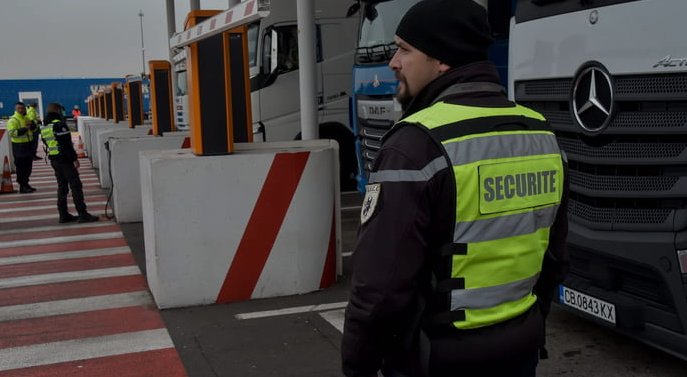
International transportation is an integral part of the global economy, and Ukraine actively participates in this process as a country of dispatch, transit, and destination for goods. Successful delivery of products abroad and into Ukraine often involves challenges related to customs clearance. Mistakes or shortcomings at this stage can lead to significant delays and additional costs. In this article, we will thoroughly examine the customs procedures, considering both Ukrainian and international specifics, and provide recommendations to help you avoid common issues and ensure timely delivery of your goods.
Preparation of Necessary Documents
- Commercial Invoice: Contains information about the seller, buyer, product description, quantity, and value.
- Packing List: Details the packaging of the goods, including dimensions and weight.
- Supply Contract: Confirms the terms of the deal between the seller and the buyer.
- Certificates and Licenses: Depending on the type of goods, various certificates may be required, such as certificates of conformity, origin, phytosanitary, and veterinary certificates.
Classification of Goods by HS Code
Proper determination of the product code according to the Harmonized System (HS Code) affects the amount of customs duties and the necessity of obtaining special permits.
Determining Customs Value
The customs value is used to calculate customs payments and should be defined as transparently as possible. This includes:
- Calculating the value based on the contract price, including transport and insurance costs up to the border.
- Providing supporting documents: invoices, contracts, bills of lading.
Calculation and Payment of Customs Duties
Customs payments may include:
- Customs Duties
- Value Added Tax (VAT)
- Excise Taxes (if applicable)
Filing the Customs Declaration
Requires careful completion in accordance with the requirements of the customs authorities of both the country of dispatch and destination. Electronic submission of the declaration can significantly speed up the process.
Interaction with Customs Authorities
- Be prepared to answer additional queries or provide explanations.
- Cooperate with inspectors and follow their instructions.
Passing Customs Control
May include document verification, cargo inspection, and possible expertise. It is recommended to ensure the availability of goods for inspection.
Release of Goods and Delivery to the Recipient
After successfully completing all procedures, the goods receive the status "released" and can be delivered to the recipient. It is important to keep all documents in case of possible post-clearance audits.
How to Avoid Delays: Additional Recommendations
- Preliminary Information: Submit cargo information in advance if provided by law.
- Stay Informed: Keep track of changes in customs legislation of different countries.
- Professional Assistance: Consider involving a customs broker or an expert in foreign economic activity.
let's sum it up
Customs clearance is a complex but manageable process, especially when it comes to international transportation involving multiple countries. Careful attention to detail, thorough document preparation, and understanding the requirements of customs authorities in different states are key factors for successful procedures. By following the provided recommendations, you can minimize the risks of delays and ensure the uninterrupted delivery of your cargo internationally.
LOADSTAR, operating from Ukraine and specializing in international transportation, will ensure that you have no problems with customs clearance. We are ready to take on all the complexities of the process, allowing you to focus on developing your business and reaching new heights in the global market.