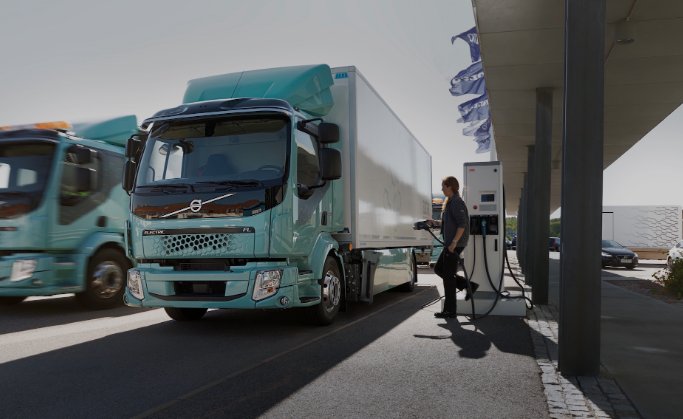
The lobbying group Transport & Environment (T&E) has called on EU member states to reconsider the permissible weight limits for zero-emission vehicles (ZEVs). According to industry experts, adjusting these limits would make electric trucks more competitive compared to diesel-powered ones, accelerating the transition to greener transport.
Currently, the EU Weight and Dimensions Directive (W&D) allows electric trucks to weigh two tonnes more than their diesel counterparts. However, this increase is often insufficient to compensate for the weight of heavy batteries and additional equipment. As a result, electric trucks can carry less cargo than traditional diesel-powered vehicles, making them less attractive for logistics operators.
In response, the European Commission has proposed raising the maximum weight limit for electric trucks to 44 tonnes, aiming to align their cargo capacity with that of diesel trucks. However, the revised directive also states that larger and heavier trucks will only be allowed for international transport if all the countries they pass through have similar national regulations.
Why This Matters for the UK?
Even though the UK is no longer part of the EU, it remains closely integrated into the European logistics network. Many British freight operators transport goods across the EU, meaning any changes to weight restrictions could significantly affect their business. If electric trucks are granted higher weight limits, it would encourage British companies to invest in green transport solutions while staying competitive in the European market.
Moreover, aligning with EU weight regulations could facilitate smoother cross-border transport and prevent logistical inefficiencies for UK-based operators. As Britain strives to meet its climate targets, ensuring that electric trucks are a viable alternative to diesel is crucial for the country’s long-term sustainability and economic competitiveness.
Currently, the EU Weight and Dimensions Directive (W&D) allows electric trucks to weigh two tonnes more than their diesel counterparts. However, this increase is often insufficient to compensate for the weight of heavy batteries and additional equipment. As a result, electric trucks can carry less cargo than traditional diesel-powered vehicles, making them less attractive for logistics operators.
In response, the European Commission has proposed raising the maximum weight limit for electric trucks to 44 tonnes, aiming to align their cargo capacity with that of diesel trucks. However, the revised directive also states that larger and heavier trucks will only be allowed for international transport if all the countries they pass through have similar national regulations.
Why This Matters for the UK?
Even though the UK is no longer part of the EU, it remains closely integrated into the European logistics network. Many British freight operators transport goods across the EU, meaning any changes to weight restrictions could significantly affect their business. If electric trucks are granted higher weight limits, it would encourage British companies to invest in green transport solutions while staying competitive in the European market.
Moreover, aligning with EU weight regulations could facilitate smoother cross-border transport and prevent logistical inefficiencies for UK-based operators. As Britain strives to meet its climate targets, ensuring that electric trucks are a viable alternative to diesel is crucial for the country’s long-term sustainability and economic competitiveness.