Logistics News
Clients Often Ask Us to Explain What ADR, MSDS, and UN Numbers Are, and Why We Need This Information When Calculating Freight Rates
Clients Often Ask Us to Explain What ADR, MSDS, and UN Numbers Are, and Why We Need This Information When Calculating Freight Rates
In the logistics industry, we frequently receive questions from clients about what ADR, MSDS, and UN numbers mean, and why this information is so crucial when we calculate transportation costs. Let's delve into these terms and explain how they impact the shipping process and the formation of freight rates.
What Is ADR?
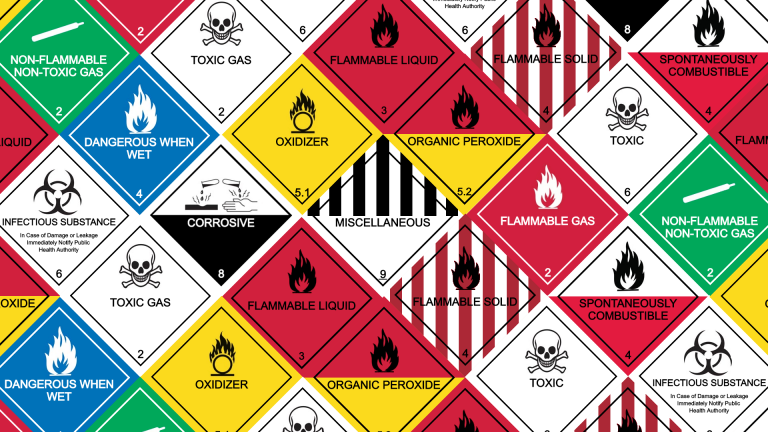
ADR stands for "Accord Dangereux Routier," which is the European Agreement concerning the International Carriage of Dangerous Goods by Road. It sets out the rules and requirements for transporting hazardous materials by road between participating countries. ADR classifies dangerous goods into 9 classes, each with specific requirements for packaging, labeling, vehicles, and documentation.
The Role of UN Numbers
A UN number (United Nations Number) is a unique four-digit identifier assigned to a specific hazardous substance or article according to UN recommendations. This number helps quickly identify the type of hazard and the necessary safety measures during transportation. For example:
- UN 1090 — Acetone
- UN 1203 — Gasoline
- UN 1263 — Paint
The UN number must be indicated on packaging, labeling, and transport documentation. It is essential for determining the requirements for transporting and handling the cargo.
MSDS/SDS and Their Importance
An MSDS (Material Safety Data Sheet), now commonly referred to as an SDS (Safety Data Sheet), is a document that provides detailed information about a substance's physical and chemical properties, hazards, and guidelines for safe handling, storage, and transportation. An MSDS/SDS includes:
- Product and manufacturer identification
- Composition and ingredient information
- Hazard identification
- First-aid measures
- Firefighting measures
- Accidental release measures
- Handling and storage guidelines
- Exposure controls and personal protection
Why This Information Is Important When Calculating Freight Rates
Transporting dangerous goods requires strict adherence to regulations, which can affect the cost of transportation:
1. Specialized Vehicles: Certain classes of dangerous goods require specialized vehicles equipped appropriately.
2. Additional Driver Training: Drivers must have special permits and undergo training to transport hazardous materials.
3. Routes and Restrictions: There may be restrictions on routes, transit times, and the need for escorts.
4. Insurance: Transporting dangerous goods may require additional insurance coverage.
5. Packaging and Labeling: Special requirements for packaging and labeling can increase costs.
Knowing the exact ADR class, UN number, and details from the MSDS/SDS allows us to accurately assess the risks and resources needed to safely and legally transport your cargo. This helps us provide a fair price and ensure a high level of service.
We have extensive experience in transporting dangerous goods and are ready to advise on all aspects of the process. By providing us with the MSDS/SDS and UN number of your cargo, you help us ensure safe and efficient transportation.