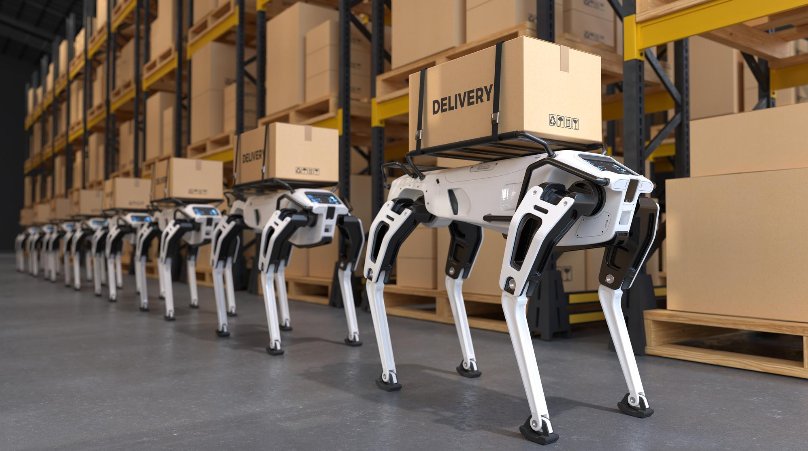
The automation of logistics processes significantly reduces time and financial costs. Warehouse Management Systems (WMS) and Transport Management Systems (TMS) are already being actively implemented in the UK. These solutions reduce errors in order processing, optimize delivery routes, and shorten inventory management time. One example is the introduction of automated warehouses at major hubs like the Port of Felixstowe, where drones and robots help speed up cargo handling.
AI – The Irreplaceable Worker
Artificial Intelligence (AI) is actively used for big data analysis and demand forecasting. This allows for supply planning based on seasonality and consumption changes, reducing costs through accurate forecasting, and automatically redistributing resources and routes depending on the current market situation. In the UK supermarket chain Tesco, AI already analyzes procurement data and helps significantly reduce food waste by optimizing the supply chain.
Why is Blockchain Important for Logistics?
Blockchain technologies ensure transparency and security at all stages of the logistics chain. They allow for real-time tracking of goods and prevent fraud. For British companies, this is particularly important under the conditions of increased customs control after Brexit. For example, Maersk has implemented the TradeLens blockchain system, which has already reduced document processing time by 40%, significantly speeding up international deliveries.
Practical Benefits and Prospects
The implementation of digital technologies in UK logistics leads to increased operational transparency and risk minimization, reduced personnel and energy costs, and faster delivery and customer service. In the long term, digitalization will enable the UK to maintain global market competitiveness and create new jobs in high-tech sectors.
Soon, digitalization will affect every industry and every individual, and it is better to be prepared for these changes in advance rather than left behind.