Logistics Tip of the Week: A Vessel Can Carry Coal – and Then Grain. But Cleanliness Decides Everything
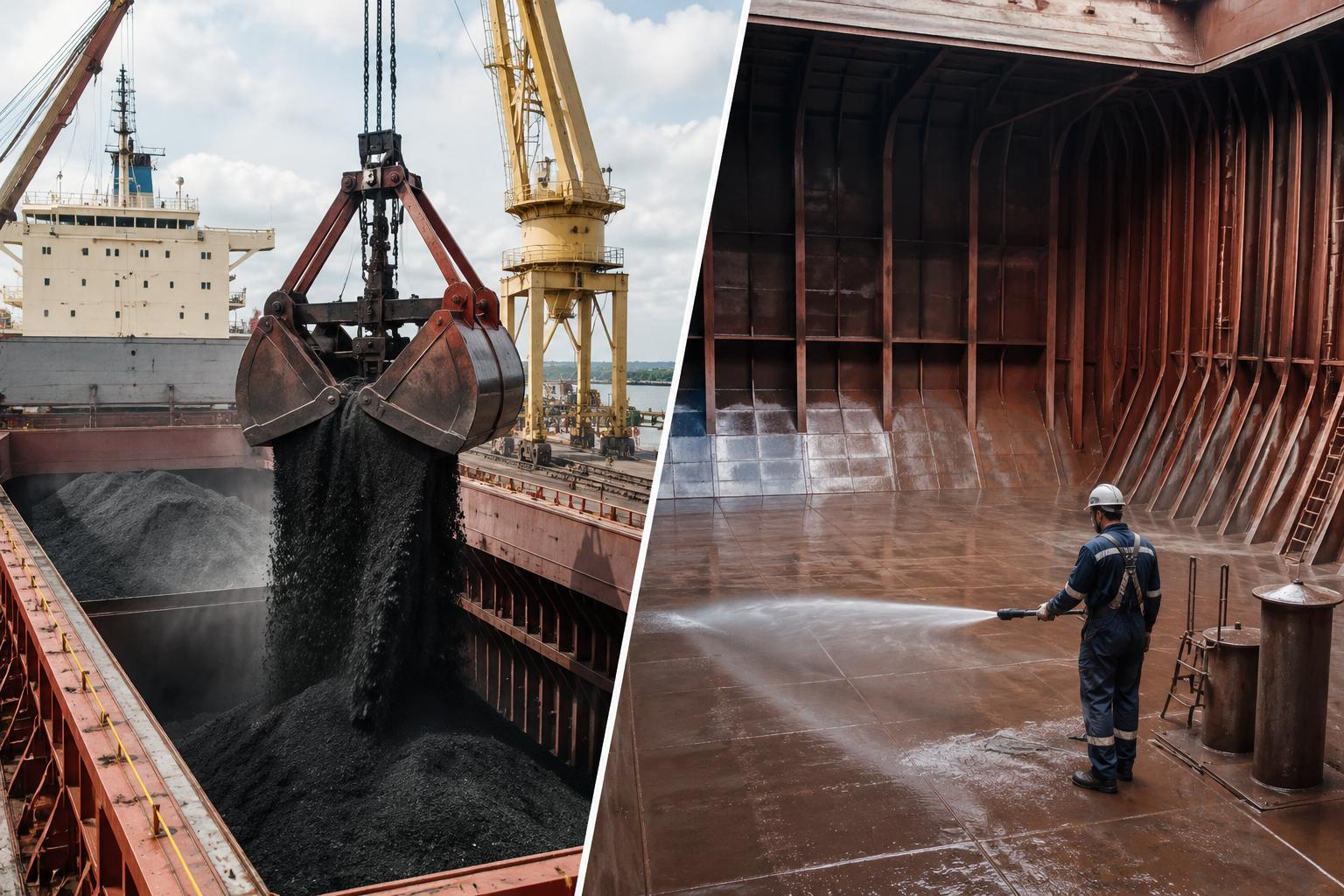
In maritime logistics, the same bulk carrier may carry very different cargoes during its working life. One voyage may involve coal, ore or petcoke. The next one may involve wheat, corn, barley or soybeans. At first, this sounds risky - and it can be risky if the vessel is not properly prepared.
The key issue is not only the vessel type. The key issue is the condition of the cargo holds before loading.
For grain cargoes, the required cleanliness level is often described as Grain Clean. In practical terms, this usually means the holds must be free from previous cargo residues, loose rust, paint flakes, salt, odours, insects, rodents and any material that could contaminate the next cargo. UK P&I Club notes that Grain Clean is one of the most common hold preparation standards, and that preparing a vessel for grain after dirty or dusty cargoes such as coal or iron ore can be one of the most difficult cleaning operations.
Coal is a good example. It can leave dust, staining and residues in places that are not always visible during a quick inspection: around ladders, under structural frames, in ventilators, hatch areas, drain channels and bilges. If these residues remain, they may contaminate grain during loading, the sea passage or discharge. West P&I states that, in general, holds should have no previous cargo residues, no loose rust scale, no paint flakes, no signs of pests for food cargoes and no odours, including odours from cleaning chemicals or paint.
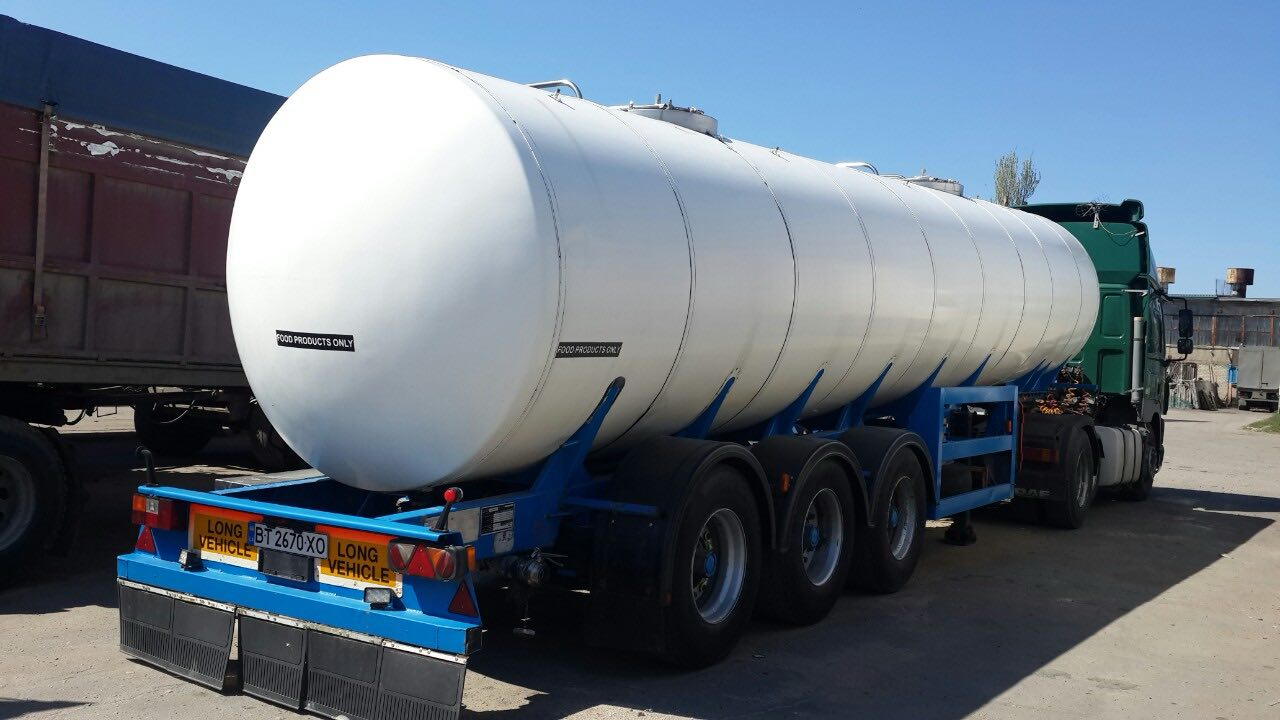
A useful comparison is tank transport. If a road tanker or tank container carried one product and is then planned for another - especially food-grade goods, chemicals or odour-sensitive cargo - “it looks clean” is not enough. The tank must be properly washed, dried, checked and documented. In Europe, tank cleaning is often supported by a cleaning certificate, including the EFTCO Cleaning Document, which records the previous product, cleaning method, temperature, cleaning agents, inspection results, date, time and cleaning station.
This is not paperwork for appearance. It protects the cargo owner. FSSC guidance on transport tank cleaning states that a cleaning certificate alone is not sufficient without full traceability to the vehicle, previous loads and cleaning records. In other words, professional logistics means controlling not only the route, but also the history and hygiene status of the equipment used for transport.
The same logic applies to bulk vessels. Before grain is loaded, it is important to check the previous cargo, the required hold cleaning standard, the inspection procedure, photo evidence and the records confirming that the vessel is fit for the next cargo. Britannia P&I also highlights practical details such as cleaning coamings and drain channels, checking for debris and ensuring previous cargo residues are removed before washing down the cargo holds.
Logistics lifehack from LOADSTAR:
before shipping grain, food-grade liquids, chemicals or any sensitive cargo, do not look only at the freight rate. Ask what was carried before, how the hold or tank was cleaned, who inspected it and what certificate confirms readiness for the next cargo.
Sometimes the difference between a smooth delivery and an expensive claim is not the distance. It is a clean hold, a properly washed tank and a valid cleaning certificate.