Logistics News
The Strait of Hormuz Reopens, but Maritime Logistics Remains Far from Normal
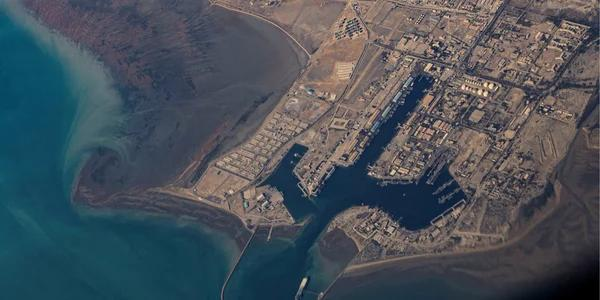
Shipping through the Strait of Hormuz is gradually recovering after the latest agreement between Iran and the United States. However, for global logistics, this is not yet a return to normal operations. Iran has introduced temporary transit procedures for vessels crossing the strait, and these rules are expected to remain in force for 60 days.
Under the new framework, vessels must submit online transit requests at least 48 hours before passage. The measure is intended to coordinate traffic, keep ships within approved corridors and reduce risks in a sensitive maritime area. International reports also indicate that, during this period, Iran will waive separate fees related to safety, environmental services and associated insurance.
The main concern remains security. Parts of the area are still considered dangerous due to mine-related risks, and vessels are expected to follow controlled routes. That means carriers, shipowners and cargo owners still face uncertainty around transit times, insurance conditions, port schedules and possible delays.
The Strait of Hormuz is one of the world’s most important maritime corridors. A large share of global oil and LNG exports passes through this narrow waterway, so even temporary changes can affect freight rates, insurance premiums and the willingness of shipowners to accept cargo in the region.
For importers and exporters, the message is clear: the route is open, but logistics planning must be more careful than usual. Companies should check booking conditions, insurance coverage, transit permits, possible delays and alternative routing options before confirming delivery deadlines. This is especially important for containerised cargo, industrial equipment, raw materials, vehicles, chemicals and time-sensitive shipments.
LOADSTAR recommends that businesses look beyond the basic freight rate. In the current environment, the real cost of logistics depends on route safety, carrier reliability, insurance terms, port selection, multimodal options and the ability to react quickly if the situation changes.
LOADSTAR can support clients with route planning, multimodal solutions and alternative delivery options when traditional sea routes become unstable. This may include changing the port of loading or discharge, combining sea and road transport, using alternative corridors or preparing a backup route before the cargo is shipped.
Under the new framework, vessels must submit online transit requests at least 48 hours before passage. The measure is intended to coordinate traffic, keep ships within approved corridors and reduce risks in a sensitive maritime area. International reports also indicate that, during this period, Iran will waive separate fees related to safety, environmental services and associated insurance.
The main concern remains security. Parts of the area are still considered dangerous due to mine-related risks, and vessels are expected to follow controlled routes. That means carriers, shipowners and cargo owners still face uncertainty around transit times, insurance conditions, port schedules and possible delays.
The Strait of Hormuz is one of the world’s most important maritime corridors. A large share of global oil and LNG exports passes through this narrow waterway, so even temporary changes can affect freight rates, insurance premiums and the willingness of shipowners to accept cargo in the region.
For importers and exporters, the message is clear: the route is open, but logistics planning must be more careful than usual. Companies should check booking conditions, insurance coverage, transit permits, possible delays and alternative routing options before confirming delivery deadlines. This is especially important for containerised cargo, industrial equipment, raw materials, vehicles, chemicals and time-sensitive shipments.
LOADSTAR recommends that businesses look beyond the basic freight rate. In the current environment, the real cost of logistics depends on route safety, carrier reliability, insurance terms, port selection, multimodal options and the ability to react quickly if the situation changes.
LOADSTAR can support clients with route planning, multimodal solutions and alternative delivery options when traditional sea routes become unstable. This may include changing the port of loading or discharge, combining sea and road transport, using alternative corridors or preparing a backup route before the cargo is shipped.