Incorrect cargo data = real fines and real costs
🚛 In logistics, details matter. One extra pallet or underestimated bag can cause delivery delays, legal penalties, or added costs. This applies universally — across every type of shipment, where accuracy and planning are key to a successful delivery.
📉 Real case from LOADSTAR:
Last week, a client submitted the following:
Declared weight: 7,000 kg
Truck type: selected exactly for that weight
Pallets: pre-approved
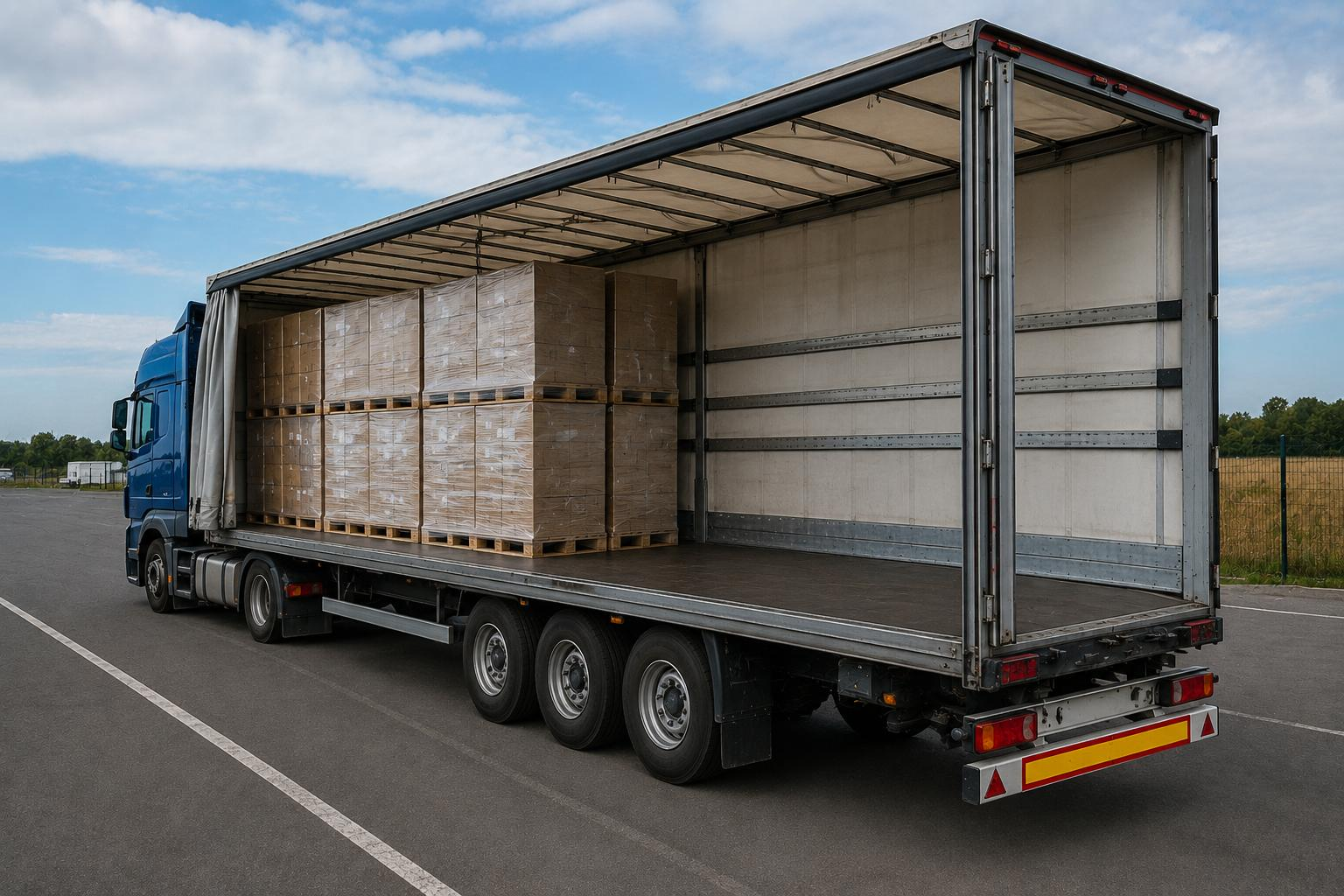
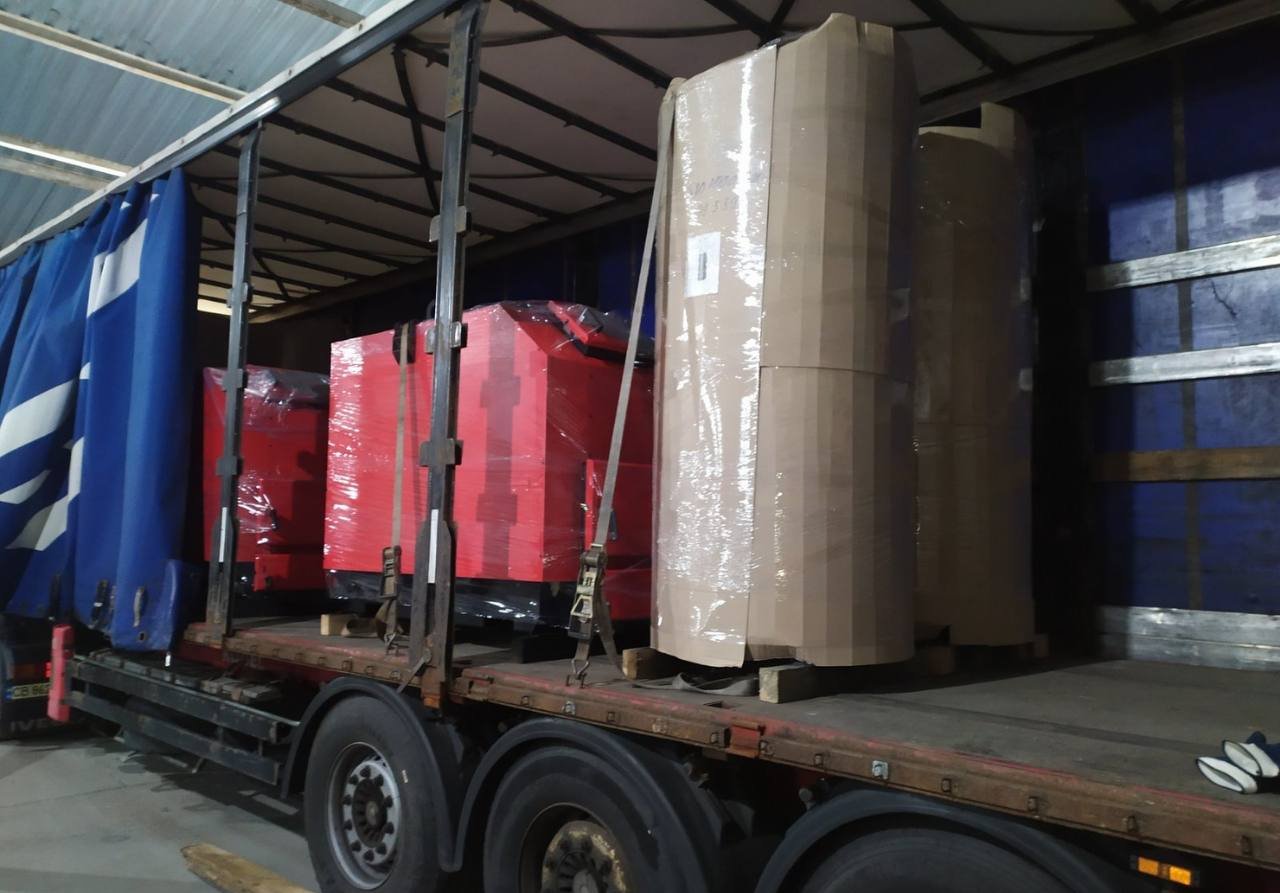
When the truck arrived, the actual weight was 8,200 kg. That meant one pallet had to be left behind — the truck couldn’t safely carry it.
💸 The client had to pay for an extra delivery and lost time and trust with their own customer.
🧠 How to prevent this:
✅ Ask the supplier to weigh and measure the cargo if you don’t have access — it’s a standard request.
✅ Never guess weight — always use certified scales.
✅ Count cargo units precisely.
✅ Document everything — photos, weight slips, packaging.
✅ Notify your logistics partner of any updates before dispatch.
⚖️ Border weight checks are strict:
Every customs crossing includes official weight control. If:
Declared weight doesn’t match reality, or
The total vehicle weight exceeds road limits,
👉 It leads to heavy fines, delays, and denied entry.
If exact weight can’t be confirmed at the warehouse:
1. 🚛 If you don’t know the truck’s empty weight in advance — make sure to weigh it before loading. And even if you do know it, it’s wise to double-check — it’s your money, time, and reputation at stake if the numbers are wrong.
2. 🧱 Then again after loading.
3. 📄 The difference = real cargo weight for the documents.
Accurate data = smooth shipping. Guessing = problems, penalties, and extra cost.
🚛 In logistics, details matter. One extra pallet or underestimated bag can cause delivery delays, legal penalties, or added costs. This applies universally — across every type of shipment, where accuracy and planning are key to a successful delivery.
📉 Real case from LOADSTAR:
Last week, a client submitted the following:
Declared weight: 7,000 kg
Truck type: selected exactly for that weight
Pallets: pre-approved
When the truck arrived, the actual weight was 8,200 kg. That meant one pallet had to be left behind — the truck couldn’t safely carry it.
💸 The client had to pay for an extra delivery and lost time and trust with their own customer.
🧠 How to prevent this:
✅ Ask the supplier to weigh and measure the cargo if you don’t have access — it’s a standard request.
✅ Never guess weight — always use certified scales.
✅ Count cargo units precisely.
✅ Document everything — photos, weight slips, packaging.
✅ Notify your logistics partner of any updates before dispatch.
⚖️ Border weight checks are strict:
Every customs crossing includes official weight control. If:
Declared weight doesn’t match reality, or
The total vehicle weight exceeds road limits,
👉 It leads to heavy fines, delays, and denied entry.
If exact weight can’t be confirmed at the warehouse:
1. 🚛 If you don’t know the truck’s empty weight in advance — make sure to weigh it before loading. And even if you do know it, it’s wise to double-check — it’s your money, time, and reputation at stake if the numbers are wrong.
2. 🧱 Then again after loading.
3. 📄 The difference = real cargo weight for the documents.
Accurate data = smooth shipping. Guessing = problems, penalties, and extra cost.