Logistics News
Tachographs for Vans from 1 July 2026: Does Carrying Your Own Goods Provide an Exemption?
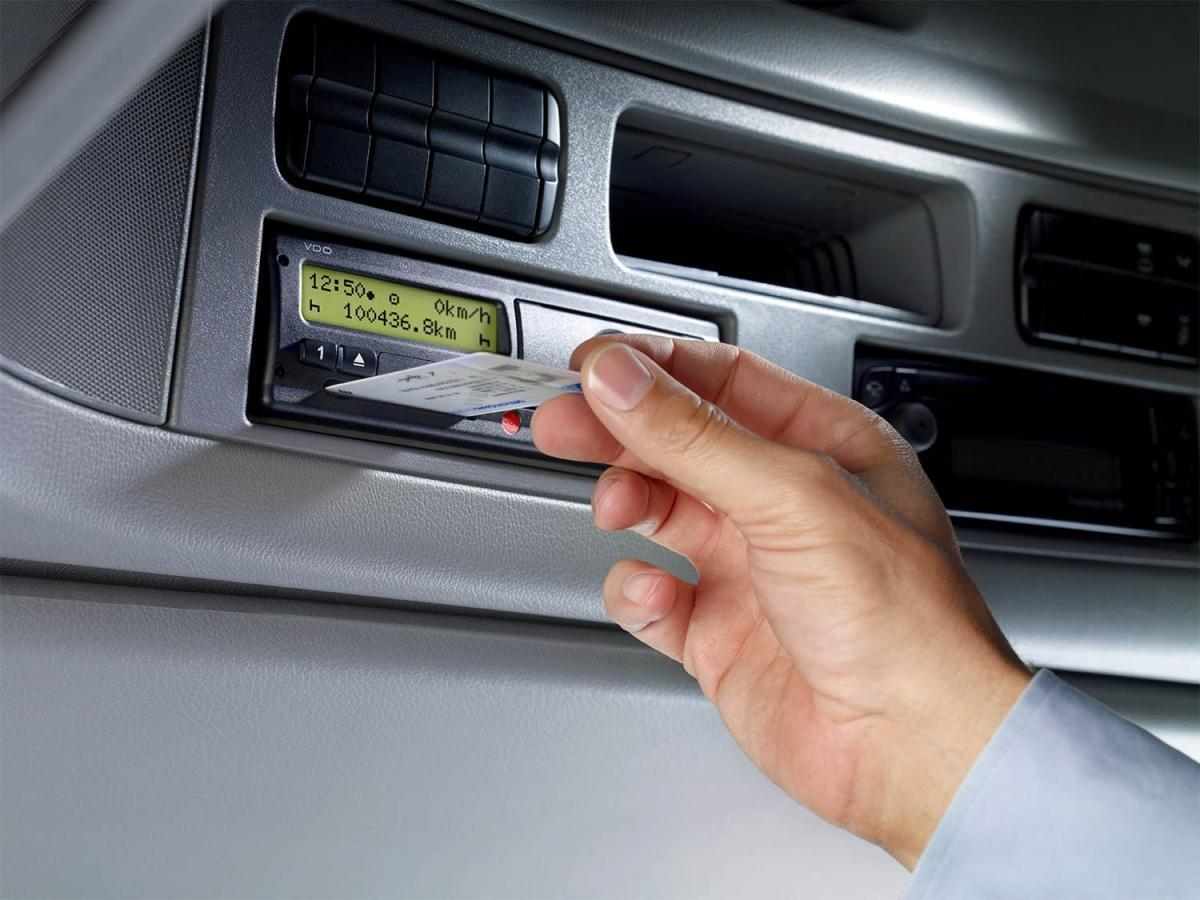
From 1 July 2026, EU rules on driving time, breaks and rest periods extend to international goods transport and cabotage performed by vehicles or combinations with a maximum authorised mass exceeding 2.5 tonnes.
In practice, the change primarily affects vans and light commercial vehicles weighing over 2.5 tonnes but not more than 3.5 tonnes, as heavier goods vehicles were already covered by the existing regime. The authorised mass of the complete combination, including any trailer or semi-trailer, must be considered. Covered operations require a second-generation smart tachograph.
A key question for manufacturers, retailers and service companies is whether a tachograph is required when a business uses its own van to deliver its own products to a customer.
Ownership of the goods does not provide an automatic exemption. Article 3(ha) of Regulation 561/2006 excludes vehicles or combinations exceeding 2.5 tonnes but not exceeding 3.5 tonnes only when three conditions are met simultaneously:
the carriage is not performed for hire or reward;
it is carried out on the company’s or driver’s own account;
driving is not the main activity of the person operating the vehicle.
If one of these conditions is not satisfied, the journey may become subject to tachograph requirements and EU rules governing driving periods, mandatory breaks and rest.
Roadside authorities may examine more than the ownership of the cargo. Delivery terms, transport charges, sales documents, the frequency of international journeys and the driver’s actual duties may all affect the assessment. A company owner is not automatically exempt when regular driving forms the main part of their professional activity.
Before dispatch, businesses should verify the authorised mass of the van and trailer, the commercial nature of the operation and whether the exemption applies to that specific journey.
LOADSTAR organises international road transport across Europe, selects suitable vehicles and coordinates routing, documentation and delivery to the final consignee.
In practice, the change primarily affects vans and light commercial vehicles weighing over 2.5 tonnes but not more than 3.5 tonnes, as heavier goods vehicles were already covered by the existing regime. The authorised mass of the complete combination, including any trailer or semi-trailer, must be considered. Covered operations require a second-generation smart tachograph.
A key question for manufacturers, retailers and service companies is whether a tachograph is required when a business uses its own van to deliver its own products to a customer.
Ownership of the goods does not provide an automatic exemption. Article 3(ha) of Regulation 561/2006 excludes vehicles or combinations exceeding 2.5 tonnes but not exceeding 3.5 tonnes only when three conditions are met simultaneously:
the carriage is not performed for hire or reward;
it is carried out on the company’s or driver’s own account;
driving is not the main activity of the person operating the vehicle.
If one of these conditions is not satisfied, the journey may become subject to tachograph requirements and EU rules governing driving periods, mandatory breaks and rest.
Roadside authorities may examine more than the ownership of the cargo. Delivery terms, transport charges, sales documents, the frequency of international journeys and the driver’s actual duties may all affect the assessment. A company owner is not automatically exempt when regular driving forms the main part of their professional activity.
Before dispatch, businesses should verify the authorised mass of the van and trailer, the commercial nature of the operation and whether the exemption applies to that specific journey.
LOADSTAR organises international road transport across Europe, selects suitable vehicles and coordinates routing, documentation and delivery to the final consignee.